
7 Tips for Choosing Artwork for Your Home
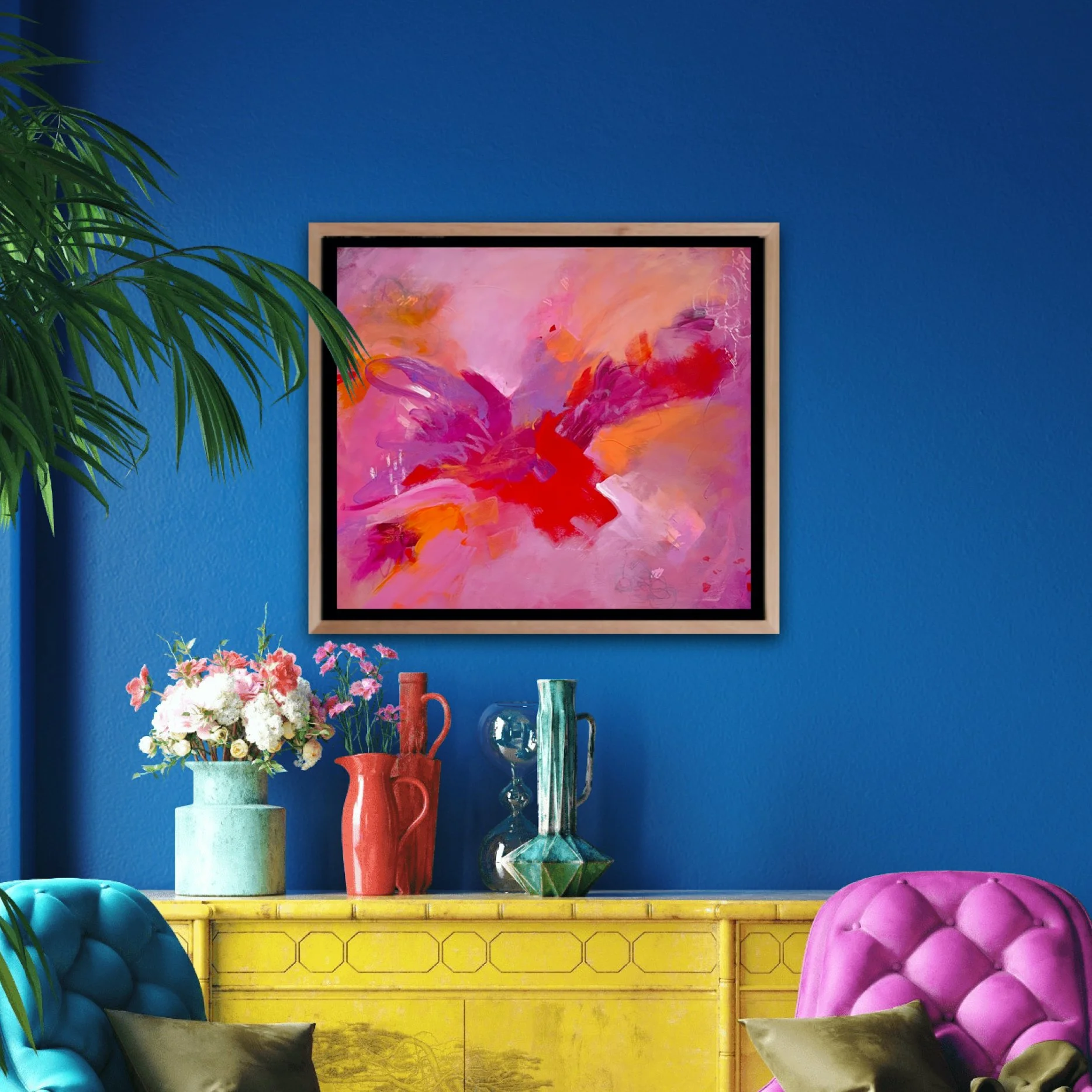
Summer Burst - Original painting by Anne Whately
7 Tips for Choosing Artwork
Art can be the most compelling feature in a room.Art can be the most compelling feature in a room.
Art can be the most compelling feature in a room.
It can become the focal point, the starting point for the décor, or simply the piece that brings a space to life. Unlike furniture, which often changes over time, art is usually kept for many years and often passed through generations — especially portraits, landscapes and pieces by well-known artists.
I was lucky enough to be in London when part of David Bowie’s art collection was auctioned at Sotheby’s. It was incredibly eclectic, filled with portraits, abstracts, sculpture and contemporary works from emerging artists. It was a wonderful reminder that collecting art should feel personal rather than formulaic.
Many beautiful interiors — especially professionally designed homes — begin with a piece of original art, with the colours and furnishings built around it.
Most of us, however, buy artwork for a room that already exists. Decide whether you want the artwork to become a focal point or a quieter accent within the space.
Many people choose art simply because the colours suit their room.
But remember — wall colours, cushions, throws and accessories are far easier to change than a piece of art you truly love. Art can be a sizeable investment and something you may live with for decades, so sometimes adjusting the surroundings slightly can create far more impact than trying to make the artwork “match.”
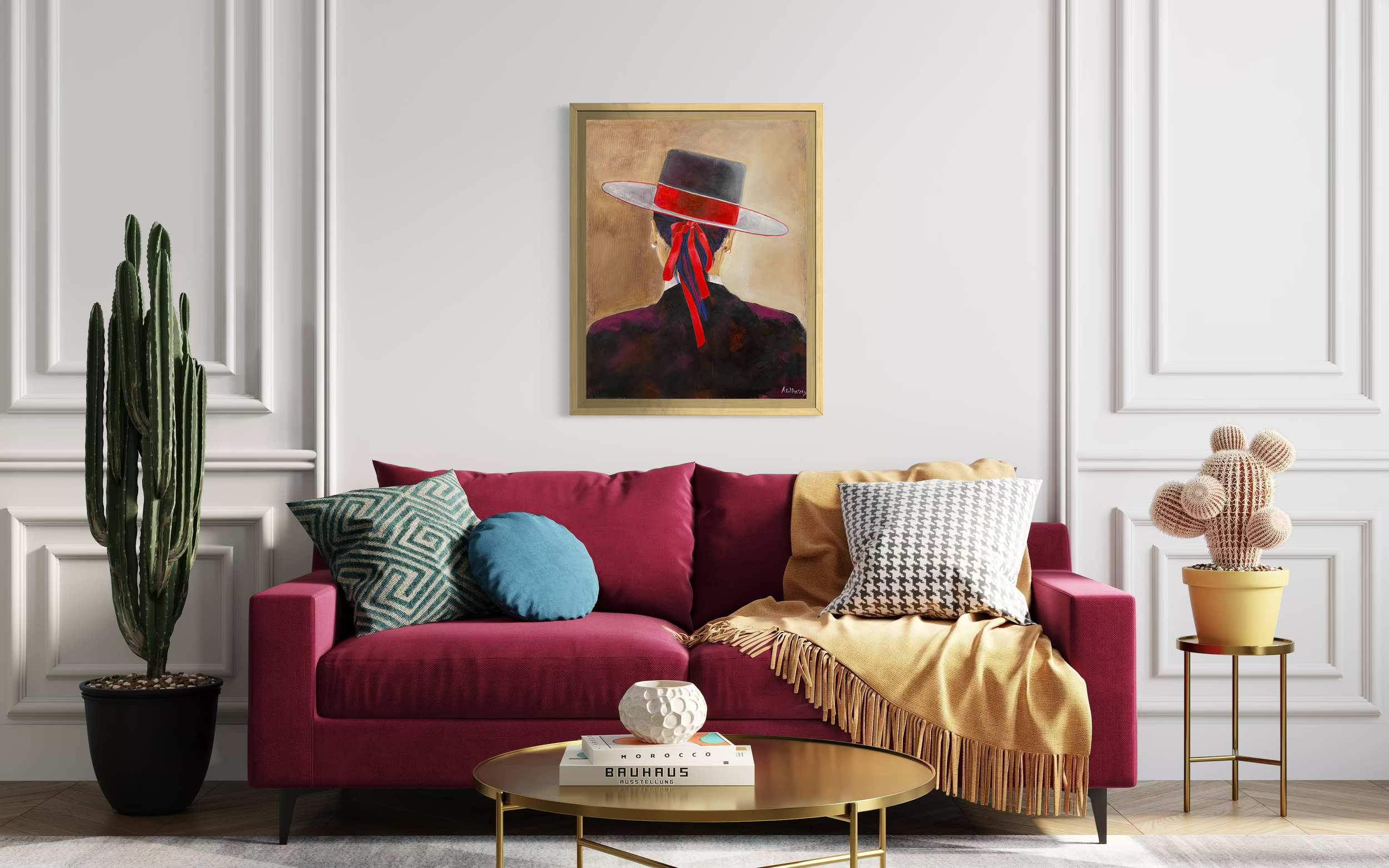
Furniture and throw pillows create harmony with this artwork. “Amazona” - Original painting by Anne Whately.
Here are my 7 tips for choosing artwork:
Buy artwork that you love.
Art should “speak” to you in some way. Sculptures, wall hangings, unique ceramics and textiles can also become beautiful statement pieces within a home.
Be expressive with your choices.
Let your artwork reflect your personality. Even in a neutral interior, art can introduce energy, individuality and emotion.
Choose the right size.
Have you ever fallen in love with a piece only to worry it may not fit?
Measure your wall first and take a quick photo of the space with nearby furniture included. It helps enormously when visualising scale. This is one reason I often show artworks in room settings on my website.
Don’t Be Afraid of Colour
Many people think art has to “match.” It doesn’t.
Often a much more interesting interior comes from allowing the artwork to lead the room rather than the other way around. Accessories, cushions and smaller décor pieces can easily tie colours together later.
Current interiors are embracing layered colour and mixed patterns again, so don’t be afraid of bold choices. I often pull a single shade from a painting and repeat it subtly throughout a room to create cohesion and harmony.
Prepare to move fast.
Has your heart ever done a back flip at the sight of a beautiful artwork?
Don’t dally too long.
One of my favourite purchases was a still life that instantly reminded me of a treasured holiday in Italy. I knew immediately I’d regret missing it if someone else purchased it first.
Get to know the artist.
If you connect with an artwork, take a look at the artist’s story and other works. It adds another layer of meaning to the piece you’re bringing into your home.
Many artists also offer commissions, allowing you to create something deeply personal for your own space.
Frame it. Hang it. Light it beautifully.
Consider carefully how the artwork should be framed (if framing is needed). Works on paper generally require framing under glass, while many canvas paintings can hang beautifully unframed or in simple floating frames.
Learn to balance artwork with the surrounding space. Small pieces can disappear on large walls, while a single oversized statement piece can completely transform a room.
Lighting matters enormously. Poor lighting can flatten even the most beautiful artwork, while thoughtful lighting adds atmosphere, warmth and drama. Avoid hanging original artwork in prolonged direct sunlight where possible.
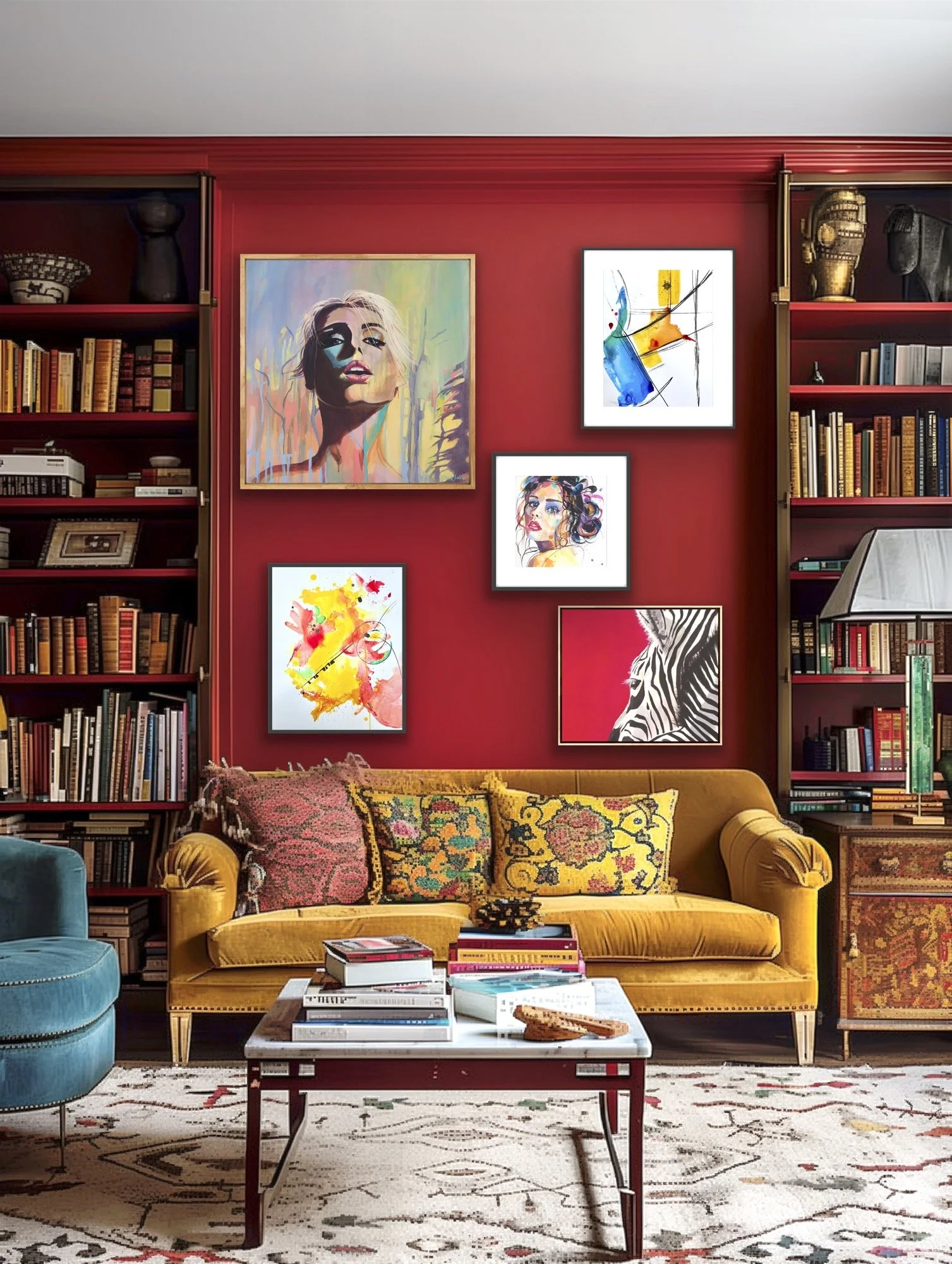
A colourful gallery wall showing how mixed artworks can create personality, warmth and cohesion within an eclectic interior. Original artworks by Anne Whately.
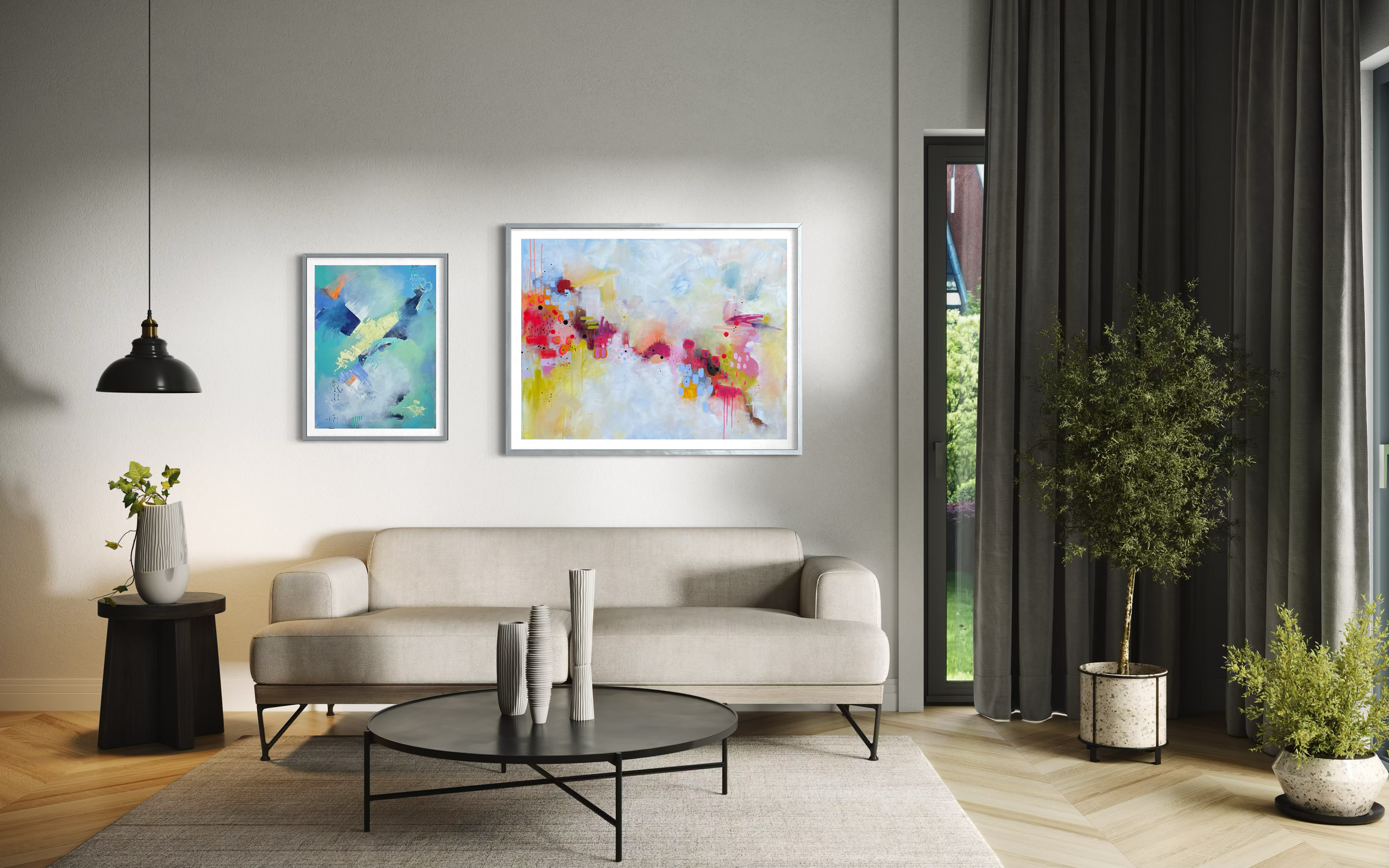
Great lighting makes all the difference to a piece of art. Contemporary Artworks by Anne Whately
SIDE NOTE:
If you purchase artwork on archival paper, avoid using the inexpensive mat-boards often supplied with cheap ready-made frames. Poor-quality materials can deteriorate over time and damage the artwork.
If you’re unsure about placement, make a paper template the size of the artwork and Blu Tack it to the wall before hanging. It’s one of the easiest ways to judge scale and positioning properly.
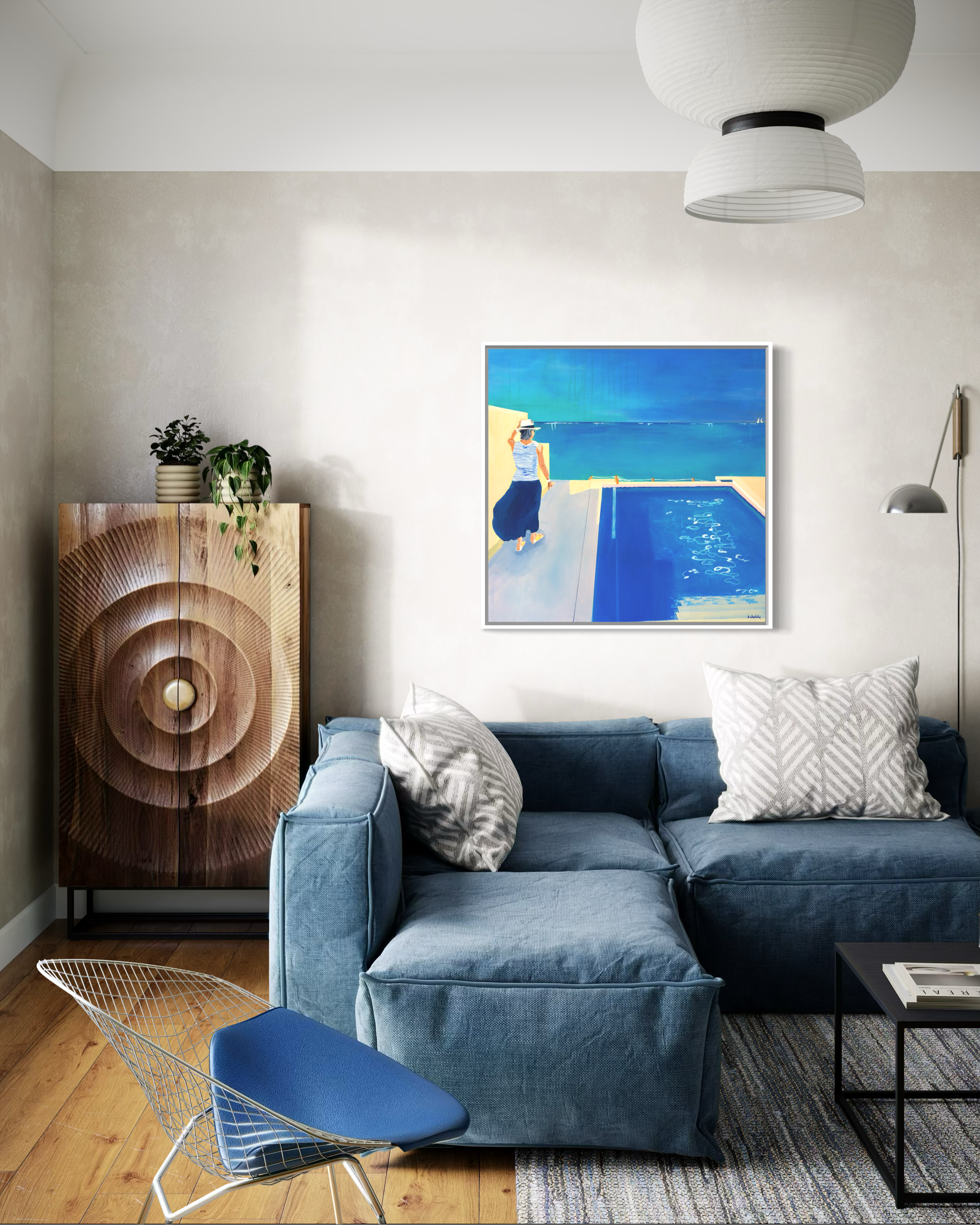
A treasured piece of art that you’ve invited into your home, can be the perfect way to start a new day, contemplate life or relax at the end of a busy week. ‘Bahama Blues’ - Original painting by Anne Whately
To see available art click here